If you have been in the architectural hardware procurement game long enough, you know a simple truth: a jammed mortise lock or a bent window friction stay isn’t just a minor annoyance. For building contractors and developers, hardware failure means costly callbacks, ruined reputations, and in the case of high-rise windows, severe legal liabilities.
Let’s sit down and talk about what separates commercial-grade hardware from the cheap knock-offs. It usually comes down to two things: what is hidden inside the casing, and the brutal endurance testing those parts go through before they ever reach a shipping container.
1. The High Stakes of Hardware Failure
Think about a high-traffic commercial glass door or a heavy double-glazed casement window. The hardware holding these structures together endures immense shear forces and thousands of operating cycles a year. When procurement decisions are based solely on the lowest price, the internal components are often compromised. The result? Rivets pop, internal springs snap, and security is instantly compromised.
2. What Exactly is a Mechanical Cycle Endurance Test?
To prevent these disasters, responsible OEM manufacturers put their hardware through hell. A mechanical cycle endurance testing machine mimics human operation, relentlessly opening and closing a lock or hinge under heavy load for anywhere from 50,000 to over 200,000 cycles. We do not just guess if our hardware will last a decade; we force it to prove it in the lab.
3. Decoding the Performance Test Report
When you look at our mechanical performance and load-bearing test reports, you will see data regarding cantilever loads and cycle limits. This isn’t just engineering jargon. When a report shows “Pass” after extreme static loading, it is our written guarantee to your engineering team that the hardware will not warp under the weight of oversized modern architectural glass. You can review our actual testing data on our dedicated Test Reports page.
4. Inside the Core: Mortise Lock Internal Mechanisms
You can’t pass an endurance test with subpar internals. Let’s take a look under the hood of our high-security mortise locks. While the faceplate might look identical to a competitor’s, the real story is inside.
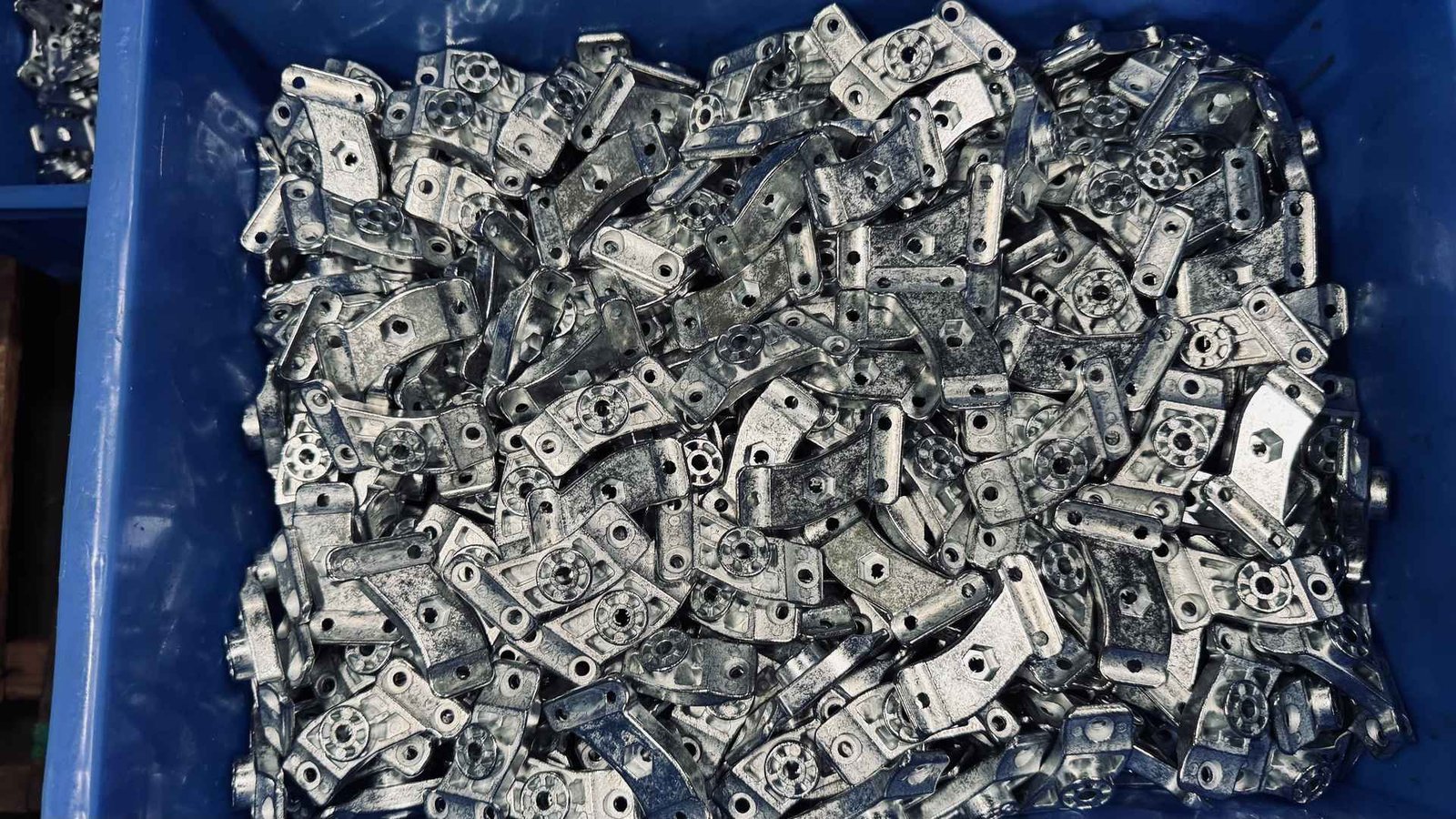
Notice the precision of the transmission cams and the gauge of the retraction springs. We use high-grade steel and hardened zinc alloys for these specific movement parts. This meticulous attention to the internal geometry is why our locks turn smoothly on cycle 1, and cycle 100,000.
5. Precision Assembly and High-Grade Materials
A great design is useless without precision manufacturing. Whether we are riveting 304 stainless steel friction stays or assembling the lock mechanisms shown above, strict tolerance control (often within ±0.05mm) ensures that parts do not grind against each other. Less friction means less wear, which directly translates to a longer lifespan.
6. Meeting International Architectural Hardware Standards
We don’t set our benchmarks in a vacuum. Our testing protocols align with stringent international standards, such as the European EN standards (e.g., EN 12209 for locks). When you source from us, you are importing hardware that satisfies the strictest building codes in Europe and North America.
7. Massive Capacity: Built for Global Supply Chains
Quality is paramount, but as a wholesale buyer, you also need to know if we can deliver on volume. Once the internal mechanisms are perfected and tested, we scale up.
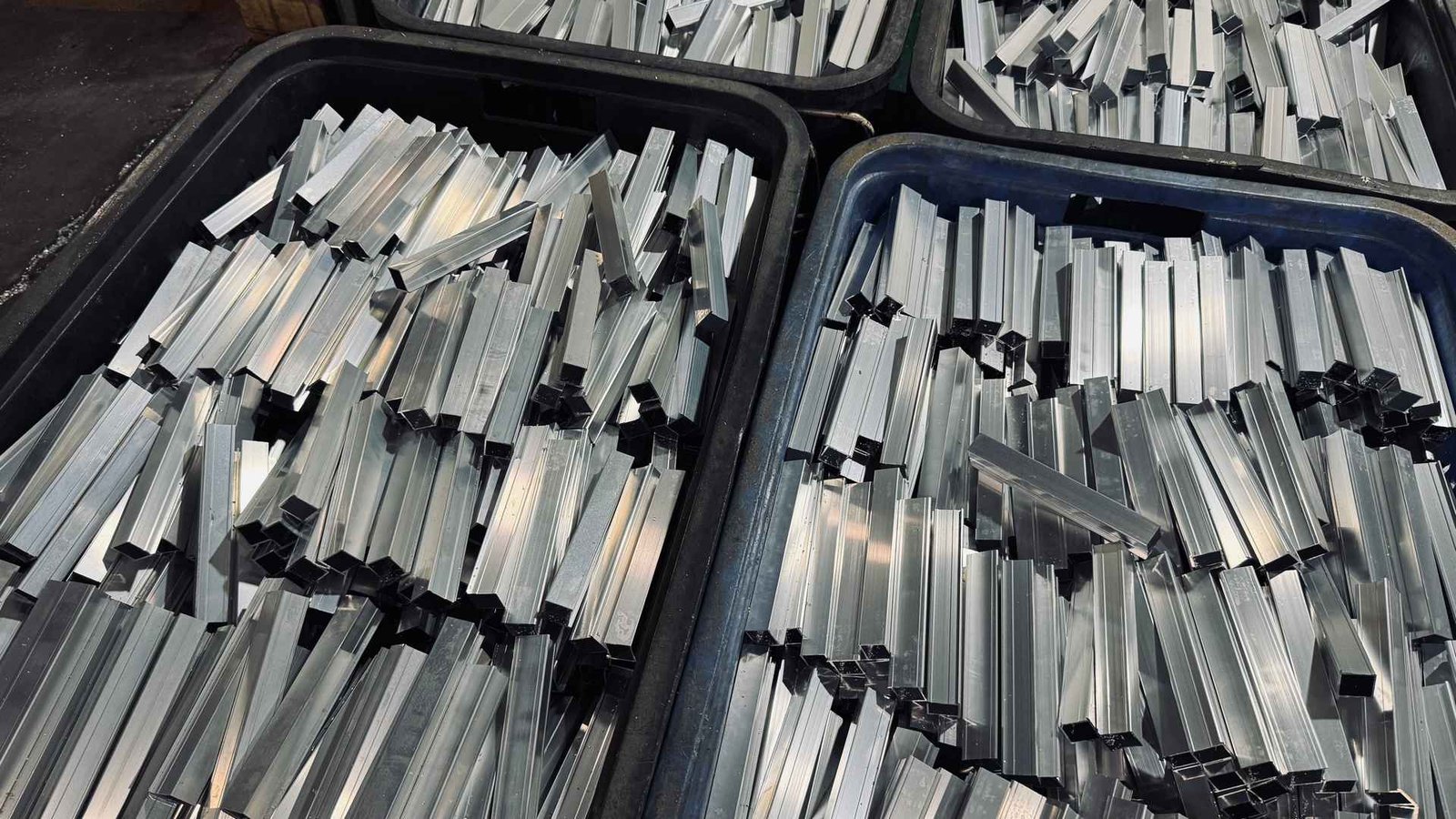
As you can see from our storage bins packed with lock faceplates, our production facility is structurally optimized for massive volumetric output. We absorb market spikes so your supply chain remains uninterrupted. Take a virtual walk through our production lines on our Manufacturing Capabilities page.
8. How Rigorous Testing Lowers Your Total Cost of Ownership (TCO)
Here is the bottom line for your purchasing department: buying cheap, untested hardware is a false economy. The slight premium you pay for lab-tested, premium OEM hardware is paid back tenfold when you completely eliminate the cost of replacing broken parts in the field. Predictable durability lowers your Total Cost of Ownership.
9. Secure Your Projects with OEM Tested Hardware
Don’t gamble your brand’s reputation on unverified components. Whether you need heavy-duty friction stays for a high-rise or high-security mortise locks for a residential development, we have the testing data and the manufacturing capacity to back you up.
Let’s Talk About Your Hardware Requirements
Reach out to our team today. We are happy to share detailed testing reports, discuss internal mechanism materials, and provide tailored OEM solutions for your next procurement cycle.