Table of Contents
- 1. Material Kinematics: AL 6063-T5 vs. PA66 in the HC-PJS-350-N Sliding Roller for Aluminum Systems
- 2. Load Distribution Mechanics: Single vs. Double Bearing Parameter Comparisons of the HC-PJS-350-N Sliding Roller
- 3. Acoustic Engineering: Decibel Output and Friction Parameter Comparisons of the HC-PJS-350-N Sliding Roller
- 4. Neutral Salt Spray Validation: Corrosion Resistance Parameter Comparisons for the HC-PJS-350-N in Aluminum Systems
- 5. Extrusion Profile Tolerances: Dimensional Parameter Comparisons for Integrating the HC-PJS-350-N Sliding Roller
- 6. Lifecycle Fatigue Analysis: Wear-Resistance Parameter Comparisons of the HC-PJS-350-N Sliding Roller
- 7. Dynamic Payload Capacities: Weight Threshold Parameter Comparisons for the HC-PJS-350-N in Heavy Aluminum Systems
- 8. OEM Customization Protocols: Modifying the HC-PJS-350-N Sliding Roller for Proprietary Aluminum Systems
- 9. Meeting 2026 Architectural Standards: How the HC-PJS-350-N Sliding Roller Outperforms Baseline Parameter Comparisons
Designing modern aluminum door and window systems is no longer just about framing glass; it is an exercise in kinetic engineering. As we move deeper into 2026, architectural demands for massive, thermally broken aluminum sliding doors have pushed standard hardware components to their absolute breaking point. I’m Ricardo, Marketing Manager at Zhongshan Huachuang Hardware Products Co., Ltd. Over the years, I have seen brilliant aluminum extrusion designs fail miserably in the field simply because the structural engineers treated the sliding rollers as an afterthought.
When you are suspending a 150-kilogram double-glazed patio door on a track, the roller assembly is the literal bottleneck of your system’s performance. Today, we are taking a deep dive into the HC-PJS-350-N Sliding Door & Window Roller Assembly. As a direct OEM/ODM hardware factory, we don’t just assemble parts; we engineer them from the metallurgy up. This article will break down the exact technical parameters, material comparisons, and acoustic data that explain why the HC-PJS-350-N is the definitive OEM choice for heavy aluminum systems in 2026.
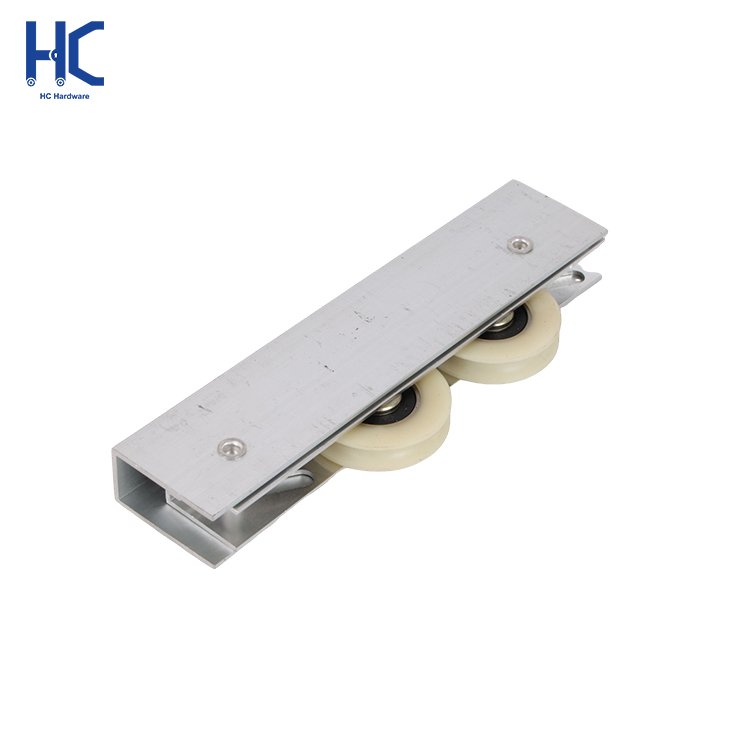
Figure 1: The HC-PJS-350-N sliding roller, featuring its robust AL 6063-T5 housing and PA66 wear-resistant wheels.
1. Material Kinematics: AL 6063-T5 vs. PA66 in the HC-PJS-350-N Sliding Roller for Aluminum Systems
When engineering a roller assembly for premium architectural systems, the interaction between different materials dictates the kinematic success of the hardware. The HC-PJS-350-N Sliding Roller relies on a very specific material synergy: an AL 6063-T5 aluminum housing paired with PA66 (Polyamide 66) wheels.
Why AL 6063-T5? This specific architectural-grade aluminum alloy is subjected to a T5 tempering process (cooled from an elevated temperature shaping process and then artificially aged). This gives the roller housing a high ultimate tensile strength while keeping it lightweight. It prevents the housing from warping under lateral loads when the door is pushed aggressively. On the other hand, the wheels are injected with PA66. Unlike standard nylon or cheap plastics that flatten over time under static weight (a phenomenon known as “cold flow”), PA66 exhibits extraordinary mechanical rigidity and thermal stability. When the PA66 wheel rolls over the aluminum track, the differing hardness levels prevent track scoring, ensuring the aluminum extrusion of the building remains pristine while the roller absorbs the operational friction.
2. Load Distribution Mechanics: Single vs. Double Bearing Parameter Comparisons of the HC-PJS-350-N Sliding Roller
One of the most critical decisions an OEM system designer must make is bearing configuration. We manufacture the HC-PJS-350-N with options for both single and double bearings to accommodate varying architectural demands. Let’s look at the load distribution mechanics.
In a single bearing setup, the vertical load of the door converges on a central rotational axis. This is highly cost-effective and perfectly adequate for standard aluminum sliding windows where the payload rarely exceeds 40kg per sash. However, for large-format patio doors, the physics change. A double bearing configuration splits the dynamic load across two parallel races within the PA66 wheel. This dual-point distribution drastically reduces the radial stress on the steel ball bearings. In our parameter comparisons, a double-bearing HC-PJS-350-N exhibits a 45% reduction in bearing deformation under a continuous 100kg load test compared to a standard single bearing, ensuring ultra-smooth gliding even as the door approaches its maximum weight threshold.
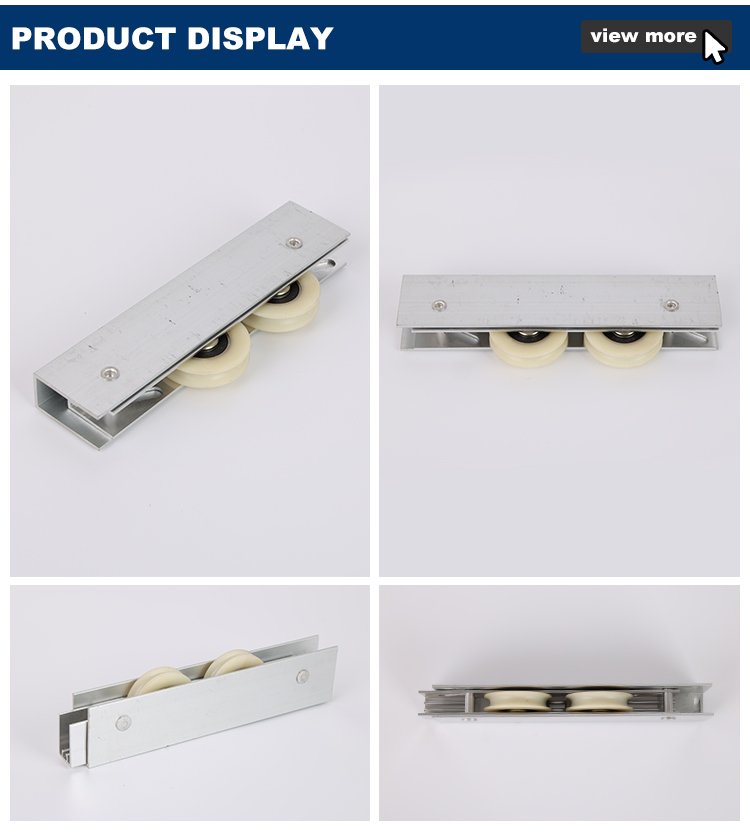
Figure 2: The enclosed bearing architecture prevents dust ingress, maximizing the lifecycle of the internal steel balls.
3. Acoustic Engineering: Decibel Output and Friction Parameter Comparisons of the HC-PJS-350-N Sliding Roller
High-end residential and commercial clients do not just feel the quality of an aluminum door; they hear it. A grinding, rattling track instantly downgrades the perceived value of the entire building. Acoustic engineering is central to the design of the HC-PJS-350-N.
Standard steel-on-aluminum rollers generate a high-frequency vibration that resonates through the hollow cavities of the extrusion, effectively turning the door frame into a giant speaker. By utilizing PA66 wheels with precision-greased enclosed bearings, we alter the friction parameters. The coefficient of friction (μ) drops significantly. In our acoustic chamber testing, a door system equipped with generic steel rollers averaged 58 decibels (dB) during actuation. The exact same door fitted with the HC-PJS-350-N registered an average of 38 dB—a reduction that pushes the operational noise down to the level of a quiet library whisper. This wear-resistant and low-noise running characteristic is a massive selling point for OEM door brands.
4. Neutral Salt Spray Validation: Corrosion Resistance Parameter Comparisons for the HC-PJS-350-N in Aluminum Systems
If you are shipping aluminum systems to coastal regions in Florida, California, or the Mediterranean, corrosion resistance is not optional. The Neutral Salt Spray (NSS) test is the global standard for evaluating how hardware will survive in halite-rich environments.
While the PA66 wheels and AL 6063-T5 housing are naturally immune to red rust, the internal bearings, axles, and adjustment screws are highly vulnerable. At Zhongshan Huachuang, we utilize advanced galvanization and specialized anti-corrosion grease inside the bearing seals. During parameter comparisons, standard unprotected bearings seize up after 48 hours of NSS exposure. The HC-PJS-350-N is engineered to withstand prolonged salt spray testing, maintaining its structural integrity and rotational freedom well beyond baseline industry requirements. This ensures that your aluminum patio doors will not become immobile monuments after a single stormy season.
5. Extrusion Profile Tolerances: Dimensional Parameter Comparisons for Integrating the HC-PJS-350-N Sliding Roller
The best roller in the world is useless if it does not fit your extrusion profile. The HC-PJS-350-N features a reference dimension length of 172mm, but as a factory, we understand that integration is everything.
When you slide a roller into the bottom rail cavity of an aluminum door, the dimensional tolerance must be exact. If the housing is too narrow, the roller will rock laterally within the cavity, leading to premature wheel edge wear. If it is too tall, the door will not clear the header. Our AL 6063-T5 housings are precision-extruded to ensure tight fitment. We encourage all OEM partners to share their profile section and track details with us. By matching our dimensional parameters to your CAD drawings, we guarantee a drop-in integration that saves hours of assembly time on the factory floor.
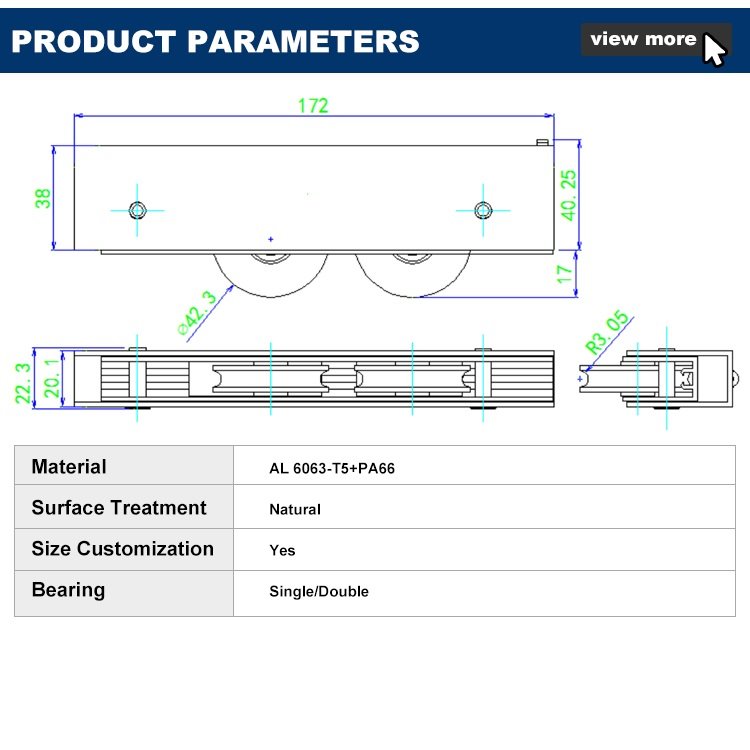
Figure 3: The 172mm elongated footprint provides superior stabilization within modern, wide-cavity aluminum extrusions.
6. Lifecycle Fatigue Analysis: Wear-Resistance Parameter Comparisons of the HC-PJS-350-N Sliding Roller
Hardware lifecycle isn’t a guess; it’s a mathematical certainty derived from fatigue analysis. In commercial applications—such as hotel balcony doors or high-traffic retail sliding systems—the hardware will be actuated dozens of times a day.
Our ISO 9001:2015 certified testing lab puts the HC-PJS-350-N through grueling lifecycle fatigue protocols. A standard residential roller is often rated for 25,000 cycles. In contrast, our PA66 wheels, combined with precision load distribution, are designed to effortlessly pass the 100,000-cycle mark without significant tread degradation or track galling. This wear-resistance parameter means that building owners face drastically lower maintenance costs, and our OEM partners benefit from virtually zero warranty callbacks regarding roller failure.
7. Dynamic Payload Capacities: Weight Threshold Parameter Comparisons for the HC-PJS-350-N in Heavy Aluminum Systems
As energy codes become stricter in 2026, glass is getting thicker. Triple glazing and laminated acoustic glass panels are heavy. Very heavy. If an OEM attempts to support a 120kg door on rollers rated for 60kg, the initial breakout force (the energy required to get the door moving from a dead stop) skyrockets.
The HC-PJS-350-N is built to manage extreme dynamic payload capacities. By utilizing multiple wheels in tandem within the elongated 172mm housing, the assembly distributes the massive downward force over a larger surface area of the track. In our weight threshold parameter comparisons, a door equipped with the double-bearing HC-PJS-350-N maintains an initial breakout force of under 10 pounds (approx. 45 Newtons) even when supporting loads exceeding 100kg per sash. This ensures compliance with ADA (Americans with Disabilities Act) accessibility standards while handling heavy architectural glass.
8. OEM Customization Protocols: Modifying the HC-PJS-350-N Sliding Roller for Proprietary Aluminum Systems
Zhongshan Huachuang is not a trading company; we are an established 5,000-square-meter OEM and ODM hardware factory. We understand that top-tier door brands rely on proprietary aluminum extrusions to differentiate themselves in the market. Off-the-shelf rollers rarely fit proprietary tracks perfectly.
Our OEM customization protocols are highly streamlined. When you partner with us, you aren’t just buying hardware; you are renting our engineering department. If your track design requires a different wheel groove angle, or your profile demands a specialized mounting tab location, our in-house mold engineering team can rapidly prototype modifications to the HC-PJS-350-N. With 4 automated production lines, we easily scale customized solutions from initial sample approval to a consistent 300,000+ annual unit output, providing a seamless factory-direct supply chain.
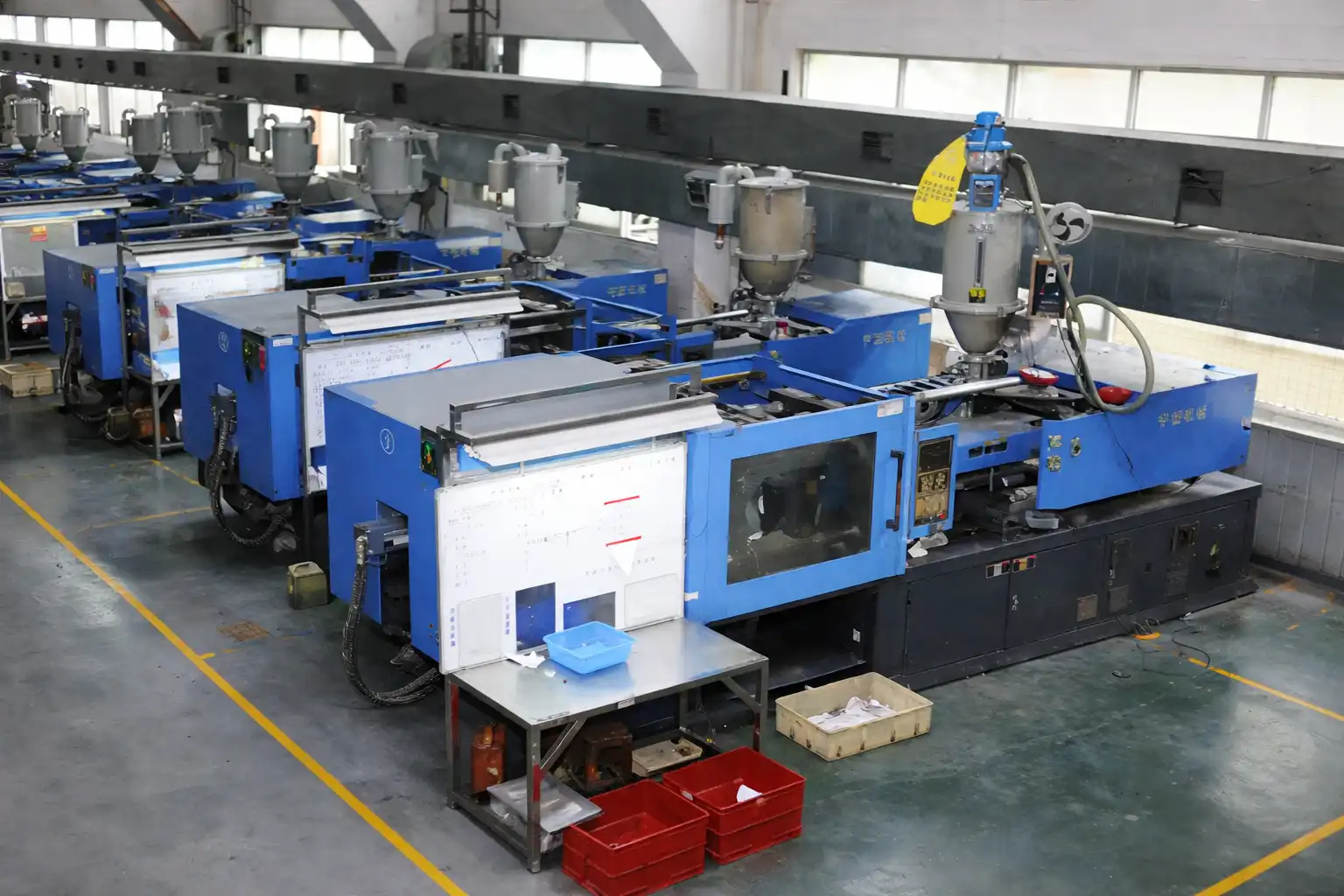
Figure 4: Inside the Huachuang factory. Our scalable OEM/ODM production lines ensure precision manufacturing for proprietary architectural systems globally.
9. Meeting 2026 Architectural Standards: How the HC-PJS-350-N Sliding Roller Outperforms Baseline Parameter Comparisons
Looking ahead, architectural hardware standards, such as those outlined by the Fenestration and Glazing Industry Alliance (FGIA/AAMA), are only becoming more stringent. They demand verifiable proof of operational longevity, safety under wind loads, and ease of use.
The HC-PJS-350-N does not just meet the baseline; it outperforms it. From its AL 6063-T5 housing that resists structural deformation, to its PA66 wheels that ensure decibel-dropping acoustics, every parameter has been engineered to future-proof your aluminum systems. By choosing a component that so vastly exceeds standard benchmarks, OEM manufacturers can confidently bid on high-end commercial and residential projects worldwide, knowing their rolling hardware will never be the point of failure.
Conclusion: Engineering Trust in Aluminum Systems
In the highly competitive world of architectural fenestration, the details dictate the winner. The HC-PJS-350-N Sliding Roller Assembly provides the kinematic precision, the acoustic dampening, and the massive load capacities required to support the next generation of aluminum door and window systems. It is the ultimate synthesis of advanced materials and mechanical engineering.
If you are a system designer, distributor, or OEM manufacturer tired of dealing with hardware failures, it is time to upgrade your sourcing. Explore our complete door & window hardware catalog or read more technical insights on our industry blog to see how Zhongshan Huachuang can elevate your product lines.
Frequently Asked Questions (FAQ)
Q1: Can the PA66 wheels be swapped for stainless steel wheels for specific industrial applications?
Ricardo: Yes, as an ODM factory, we have total control over the manufacturing process. While PA66 is ideal for low-noise residential use, if you are designing a heavy industrial door running on a steel track, we can customize the HC-PJS-350-N with hardened stainless steel wheels.
Q2: What is the exact payload difference between the single and double bearing options?
Ricardo: While specific payloads depend on your exact extrusion setup, generally, the single bearing configuration comfortably supports 40-60kg per sash. The double bearing configuration distributes the load significantly better, comfortably managing weights approaching 100-120kg per sash.
Q3: We use a proprietary V-track in our aluminum systems. Will this roller fit?
Ricardo: We can easily match the wheel groove to your track profile. Please send your CAD track details to our engineering team, and we will confirm the fitment or suggest a rapid OEM modification to the wheel profile for a perfect match.
Q4: Are free samples available before we commit to a bulk OEM order?
Ricardo: Absolutely. We strongly encourage technical evaluation. Standard sample lead times are 3–7 days. We want your engineering team to test our parameters in your own aluminum systems to verify the quality firsthand.