

Specifying or replacing hardware in residential and commercial aluminum sliding windows requires exact measurement, material evaluation, and structural verification. For window manufacturers (OEMs), building material distributors, glazers, and maintenance contractors, selecting the wrong roller carriage leads to sash binding, frame damage, and costly field callbacks.
This technical guide outlines the step-by-step process for measuring existing roller assemblies, evaluating structural materials, understanding height compensation mechanisms, and executing direct factory procurement.
1. Understanding Sliding Window Roller Selection for OEM & Retrofit Projects
Sliding window rollers carry the full weight of the glazed sash while providing smooth, low-friction linear movement along the frame track. Selecting the proper roller assembly depends on whether you are designing a new profile system or replacing worn OEM hardware:
- OEM Profile Integration: Window manufacturers select rollers based on extrusion slot dimensions, maximum sash weight calculations, and long-term cycle endurance.
- Retrofit & Maintenance Replacement: Distributors and repair contractors require drop-in compatibility. Replacement rollers must match the original cutout geometry, fixing hole centers, and wheel profile without requiring field modifications to the aluminum frame.
2. Critical Measurement Dimensions: Wheel Diameter, Housing Width, and Hole Centers
To guarantee drop-in fitment, technical buyers must collect accurate measurements using digital calipers before submitting inquiries or placing bulk orders.

Key measurement parameters include:
- Wheel Outer Diameter (OD): Measure the exact diameter across the outer riding surface of the roller wheel (common imperial sizes include Φ1.250″ or metric equivalents). The wheel diameter dictates track clearance and sash height positioning.
- Housing Outer Width & Height: Measure the widest point of the metal or nylon chassis to ensure it slides smoothly into the internal extrusion channel without binding.
- Overall Assembly Length: Measure the complete span of the chassis, including any extended mounting base or flexible spring strips.
- Fixing Hole Center-to-Center (PCD): Measure the exact distance between screw mounting holes or snap-in tab notches. A fraction of a millimeter variance can prevent proper fastener alignment.
- Wheel Profile Type: Verify whether the track interface requires a flat wheel, concave (grooved) wheel, or crowned profile matching the aluminum extrusion rail.
3. Material Engineering: Nylon (PA66/POM) Wheels vs. Steel Bearings & Stamped Housings
Component material composition determines smooth operation, corrosion resistance, and operational lifespan under load.

Chassis Material
- Cold-Rolled Steel: Provides exceptional tensile strength for heavy-duty sashes. Steel housings are typically electro-plated with yellow or white zinc passivations to resist atmospheric corrosion.
- Engineered Polymers (Nylon 66 / Polyamide): High-toughness nylon housings offer natural corrosion immunity, lightweight handling, and noise-damping qualities suitable for humid coastal regions.
Roller Wheel & Bearing Construction
- Self-Lubricating Polymers (PA66 / POM): Wheels machined or molded from virgin PA66 or Polyoxymethylene (POM) provide a low coefficient of friction against aluminum tracks, eliminating metal-on-metal grinding noises.
- Precision Ball Bearings: High-quality single-row radial ball bearings sealed inside the wheel core maintain smooth concentric rotation under heavy dynamic loads.
4. The Role of Spring-Loaded Strips in Dynamic Height Compensation & Smooth Gliding
In residential construction, sliding window tracks inevitably experience structural settling, thermal expansion, dust accumulation, or subtle frame warping over time. Rigid roller housings often jam or derail when encountering minor track irregularities.
Spring-loaded roller assemblies solve this issue by incorporating a heat-treated spring steel strip into the housing design:
- Dynamic Preload: The spring strip maintains constant downward pressure against the track.
- Auto-Compensation: The mechanism automatically absorbs vertical tolerances and track dips, keeping the window sash level and preventing derailment during manual operation.
5. Corrosion Resistance Standards: ASTM B117 Neutral Salt Spray Testing for Coastal Hardware
Hardware installed in coastal, high-humidity, or tropical climates faces accelerated galvanic corrosion and oxidation. Professional procurement specifications require verified surface finish testing.
Metallic components, including stamped steel housings and axle pins, are evaluated in environmental testing chambers using the ASTM B117 Neutral Salt Spray (NSS) test. Protective electro-galvanized finishes are subjected to continuous salt fog exposure (typically 72 to 96+ hours) to verify that the plating prevents red rust formation before mass distribution.
6. Mechanical Endurance: EN 13126-15 Dynamic Life Cycle Testing & Load Ratings
A roller assembly’s load rating must match the total weight of the glazed window sash (including glass thickness and frame extrusions). Overloading a roller crushes internal bearings and causes nylon wheels to flat-spot.
Hardware durability is validated through rigorous dynamic cycle testing according to standards such as EN 13126-15. In laboratory conditions, assemblies are mounted to weighted test sashes and continuously driven back and forth across a standard track for thousands of cycles (e.g., 50,000 to 100,000+ operations) to confirm zero structural failure, deformation, or excessive rolling resistance.
7. Step-by-Step Replacement Fitment Checklist for Glazers & Maintenance Contractors
When matching an unidentified or obsolete window roller in the field, follow this systematic evaluation checklist before placing a bulk procurement order:
- Step 1: Take Clear Physical Photos: Capture top, side, and bottom views of the original worn component.
- Step 2: Measure Key Dimensions: Record wheel diameter, chassis width, total length, and mounting hole centers using precision calipers.
- Step 3: Check Extrusion Profile Cross-Section: Inspect the aluminum window channel to verify track height and slot depth clearances.
- Step 4: Determine Weight Requirements: Estimate total glass sash weight to select between single-wheel or heavy tandem roller configurations.
- Step 5: Verify Environmental Conditions: Choose stainless steel axles and corrosion-resistant platings for coastal projects.
8. In-House Precision Manufacturing: Tooling Molds, CNC Machining, and Automated Assembly
Sourcing hardware directly from an established source factory ensures consistent batch tolerances and transparent manufacturing processes.
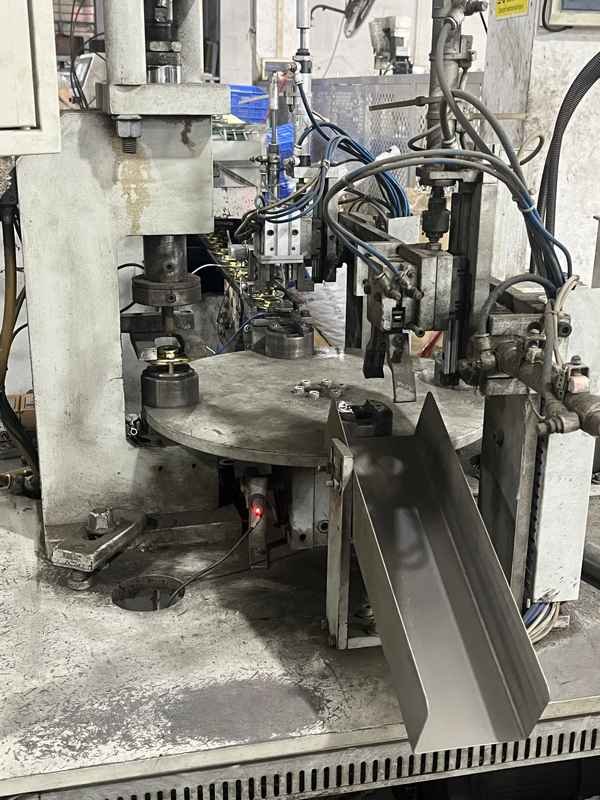
Zhongshan Huachuang Hardware Products Co., Ltd. controls primary production steps in-house at our manufacturing facility in Zhongshan, China:
- Tooling Independence: Maintaining a library of in-house stamping and die-casting molds allows for rapid prototyping and custom profile matching.
- CNC Machining Centers: Automated multi-axis drilling centers ensure sub-micron mounting hole placement on metal and nylon components.
- Automated Assembly: Pneumatic riveting workstations secure axle pins with uniform torque, eliminating wheel wobble.

9. Direct B2B Procurement Roadmap: OEM Customization, Evaluation Samples, and Sourcing Terms
For international buyers sourcing architectural hardware from China, clear commercial terms and sample verification steps protect your supply chain:
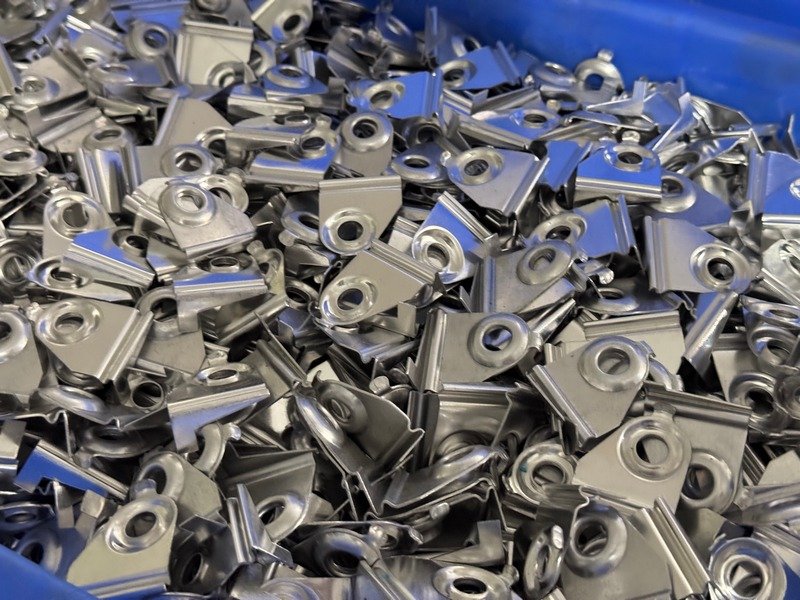
B2B Sourcing Terms & Workflow
- Evaluation Samples: Physical samples are available for engineering evaluation and profile drop-in testing. Contact our sales team to discuss sample availability and shipping terms.
- OEM/ODM Customization: Custom wheel profiles, specific housing dimensions, private-label polybag packaging, and custom surface platings can be developed based on technical CAD drawings or physical samples.
- Bulk Export Staging: Standard production orders are packaged in sealed protective polybags and reinforced master corrugated cartons to prevent ocean transit damage.
Explore our full product directory on the Huachuang Hardware Showroom, or review our manufacturing infrastructure on our Factory Tour Page.
Partner with a Direct Source Hardware Manufacturer
Looking to source precision sliding window rollers or discuss custom OEM profile matching? Contact our engineering team with your drawings or sample specifications:
- Company: Zhongshan Huachuang Hardware Products Co., Ltd.
- Contact Lead: Ricardo — Marketing & Engineering Director
- Direct Email: sales@zshuachuang.com
- WhatsApp: +86 13217609138
- WeChat: idhc69598542
- Factory Location: No.1 Wenxian Road, Dongsheng Town, Zhongshan City, Guangdong Province, China
- Official Website: https://zshuachuang.com